

A first date is a chance to find out whether you enjoy each other’s company, not an audition you must pass. You can be considerate without performing a different personality or trying to secure a second date at any cost. A respectful meeting leaves both people free to say yes, no or “I need more time.”
The six habits below focus on what you can reasonably control: planning, communication, attention and boundaries. They cannot guarantee chemistry or another person’s behavior. Feeling nervous, needing accommodations or deciding not to meet again does not mean you have failed.
1. Communicate if you are running late
Aim to arrive at the agreed time, and allow a little room for travel delays. Confirm the place clearly enough that neither person is waiting at a different entrance. If accessibility, transport or another practical issue affects the plan, discuss what you need without feeling obliged to disclose private medical details.
If you are delayed, send a brief message when it is safe to do so: “My bus is delayed. I expect to arrive about 15 minutes late. Does that still work, or would you prefer to reschedule?” Do not text while driving. Give an honest estimate rather than repeatedly saying you are almost there.
A delay alone does not reveal someone’s feelings or character. Notice how they communicate and respond over time. You can also set a waiting limit and leave if the arrangement no longer works for you.
2. Keep the plan manageable and flexible
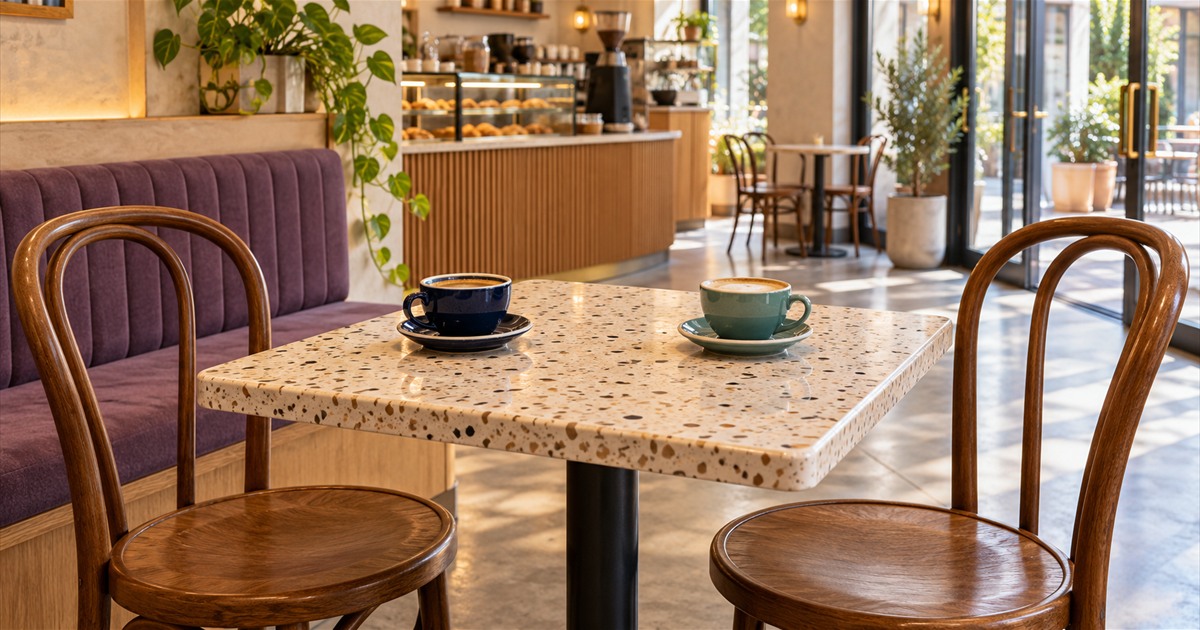
One straightforward activity can be easier to coordinate than a tightly packed dinner-and-movie itinerary. Agree on a place, an approximate length and any important cost or access details. “Would you like to meet for coffee for about an hour?” is clearer than a plan that silently assumes an entire evening together.
For meeting someone new, RAINN’s safer-dating guidance recommends a public setting, sharing plans with someone you trust and arranging transportation you control. Consider your return journey before you go. These precautions can support your options; they do not guarantee safety, and responsibility for harmful behavior belongs to the person who causes it.
Extending the date should be a shared choice. Buying tickets, paying for dinner or traveling a long way does not entitle either person to more time, affection or sex.
3. Offer courtesy and attention without judging every moment
Speak respectfully to your date and to people working at the venue. If something goes wrong with an order, explain the problem without insults. Repeated intimidation or contempt is worth taking seriously, but one awkward exchange is not a complete personality assessment.
Put away distracting notifications if you can. If you need to remain reachable for caregiving or work, explain that briefly: “I may need to answer one call; otherwise, I’d like to keep my phone away.” Attention need not mean constant eye contact. People communicate differently, and you can ask what helps both of you feel comfortable.
4. Do not make alcohol your plan for managing nerves
You do not need to drink to be interesting or relaxed. The NHS advises against using alcohol to relieve anxiety. A quieter venue, a shorter meeting, a pause or a nonalcoholic drink may be more comfortable choices than trying to push through a stressful evening.
Respect your own decision and your date’s decision not to drink. Pressure to consume something, jokes about being boring or demands to explain sobriety are not considerate. If anxiety is hard to cope with or is affecting daily life, seek support from a qualified health professional; dating tips are not treatment.
If you feel unsafe, you do not have to finish the outing or provide a convincing explanation. Seek help from venue staff, a trusted person or local emergency services if there is immediate danger. You do not owe politeness at the expense of safety.
5. Share at a pace that respects privacy
You can be honest without telling a new acquaintance everything about your past. Share interests, values and experiences you genuinely want to discuss. There is no universal ban on serious topics, but checking the other person’s comfort can help: “Are you up for talking about that, or shall we keep things lighter today?”
It is reasonable to say, “I’d rather not discuss that yet.” Avoid pressing for a home address, financial details, private photographs or another person’s confidential information. Choosing not to disclose trauma is not dishonesty, and sharing something difficult does not make a person defective.
If past relationships come up, keep other people’s privacy in mind. You can explain a present boundary without giving a detailed account of an ex-partner. Our guide to building connection without sex explores closeness without treating disclosure or affection as something owed.
6. Make room for both people in the conversation
Ask a question you actually want answered, listen and offer something of your own. “What have you enjoyed doing lately?” can open a conversation without demanding a dramatic story. Follow up on what the person says instead of running through a checklist.
Quiet moments are allowed. Neither person must carry every exchange, entertain the other or become extroverted on command. If the balance feels uneven, try a gentle invitation: “I’ve talked a lot about my week. What would you like me to know about yours?” Our article on genuine connection beyond appearance offers more listening and curiosity ideas.
After the date, check comfort rather than performance
Ask yourself: Could I express a preference? Were my limits respected? Did I enjoy enough of the conversation to want another meeting? Nervousness and attraction are not verdicts about compatibility; use what happened, not a hoped-for story, to guide your next choice.
You may send a clear invitation, decline politely or take time to decide. A first date does not create a commitment. The aim is a meeting with room for mutual interest and an honest choice—not a flawless performance.
*sigh* Another article reminding us how hard dating is nowadays. If we can’t air our past relationships, what can we talk about? The weather? Let’s be real, it’s tough out there!
An interesting take on first date etiquette! It’s crucial to avoid common pitfalls, especially when it comes to alcohol consumption and conversation flow. I’d add that considering your date’s interests could enhance the experience even further.
“Airing it all?” Really? So we should just pretend like we’re perfect human beings on a first date? Where’s the fun in that? Let’s embrace our weirdness instead of hiding it behind a facade.
This post is just another cliché-filled guide about dating. Who doesn’t know you shouldn’t be rude or arrive late? We need fresh insights, not the same tired advice regurgitated over and over.
‘First dates are like job interviews’ – ha! That’s hilarious! Just don’t ask them what their biggest weakness is or you’ll really scare them away! Seriously though, great advice wrapped in humor!
I absolutely loved this article! It’s so refreshing to see practical advice for first dates. I really appreciate the focus on being yourself while still being polite. Definitely saving this for my next outing!
While I appreciate the enthusiasm, remember that everyone has different approaches to dating. What works for one may not work for another.
I agree! It’s great to have tips that feel relatable and achievable. First dates can be nerve-wracking, and it’s nice to have guidance to navigate those tricky moments.