

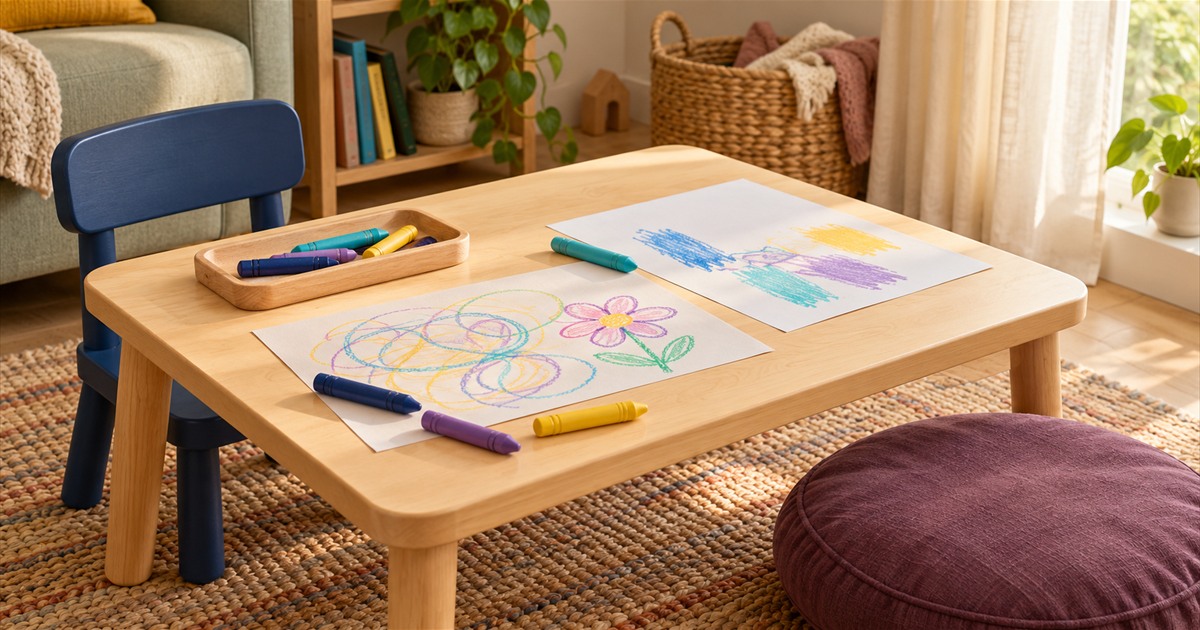
Children need care that does not depend on perfect behavior, good grades or keeping an adult happy. Unconditional love means communicating, “You matter, and I am here to care for you,” while still setting limits that protect the child and other people. It is not the same as approving every action or giving a child everything they ask for.
Parents, grandparents, adoptive and foster parents, and other trusted caregivers can all offer that steady care. Families do not need to look one particular way. Nor does loving a child mean being calm every moment or preventing every difficulty. The goal is a pattern of safety, attention and respectful repair, not a guarantee about the person a child will become.
Say love clearly without making it a reward
Use simple words your child can understand: “I love you,” “I am glad you are here,” or “You can tell me when something is hard.” Let those messages appear in ordinary moments, not only after achievements. You can notice effort or a helpful action without making affection depend on performance.
Here is a made-up response after a disappointing school result:
- Say care out loud
- “That was frustrating. I love you, and we can think about what help you need.”
- Keep the meaning clear
- Your care does not depend on the result. Listening now does not mean promising a better grade or dismissing the child’s disappointment.
Offer affection in ways the child finds comfortable. Some enjoy hugs; others prefer sitting nearby, a smile or a shared activity. The CDC’s communication guidance for toddlers and preschoolers emphasizes listening and respecting children’s responses to touch. Ask whether they want a hug, and do not turn refusal into a test of love.
Listen to the child, not just the behavior
When possible, pause another activity and give your child attention. Reflect what you think you heard: “It sounds as though you felt left out.” Leave room for correction instead of deciding you already know what they feel. Listening does not require agreeing with every interpretation or fixing everything immediately.
Adapt to age, language, sensory preferences and communication needs. Drawing, gestures, communication aids or a quiet shared activity may make connection easier than a direct conversation. Eye contact is not a requirement for being heard. For an older child, you might ask, “Would you like help, or would you like me to listen first?”
If a child describes an unusual experience, respond calmly and avoid mocking them or insisting on a spiritual explanation. Our guide to supporting children’s imagination and unusual experiences discusses reassurance and appropriate professional support without treating a child as proof of psychic abilities.
Make connection manageable in everyday life
A small, repeatable moment can be more workable than waiting for a perfect family outing. Read together, share a snack, ask about a drawing or let the child show you a game. Put aside avoidable distractions when you can, but recognize that caregivers also have work, health and access needs.
Do not use a fixed number of minutes as a measure of whether you love your child. If you are busy, give a realistic return point: “I need to finish this call. Then I can sit with you.” Follow through when possible, and explain if plans change. Connection should not depend on expensive toys or activities.
Keep affection steady while setting safe limits
Accept the feeling while stopping harmful behavior. “You are angry that playtime ended. I will not let you hit. We can find another way to show you are upset.” A limit can be firm without calling a child bad, threatening abandonment or withdrawing love.
The American Academy of Pediatrics recommends positive discipline, including clear limits, redirection and reinforcement of appropriate behavior. It advises against hitting, threats, insults, humiliation and shame. Affection does not make harmful punishment safe.
For a younger child, offer a simple alternative and help them practice it. For an older child, discuss the specific behavior and a realistic way to make things right. Keep expectations suited to their abilities, and ask their pediatrician for individualized guidance when you are unsure.
Repair your mistakes without making the child responsible
If you shout or say something hurtful, an apology should name your action: “I shouted. That was not okay. I am going to work on speaking more calmly.” Do not add “You made me do it,” or ask the child to reassure you that you are a good parent.
- Make the situation safe. Stop the harmful interaction and ensure the child has appropriate care and supervision.
- Own the behavior. Use a short, clear apology without blaming the child.
- Restate the limit respectfully. A rule can remain in place even when your delivery was wrong.
- Change what happens next. Seek help, arrange support or plan a safer response; an apology needs follow-through.
Our anger, pauses and boundaries guide offers ideas for noticing your own warning signs. A child should not have to manage an adult’s temper.
Get support when love alone is not enough
Caregivers can need practical help, respite, parenting support or mental-health care. If you are worried about your child’s behavior, development or emotional well-being, speak with their pediatrician or another qualified professional. Asking for help is consistent with protecting your child; it is not evidence that you do not love them.
If you fear you may hurt a child, urgently seek help from a trusted safe adult or professional while ensuring the child is safely cared for. Contact emergency services for immediate danger. Never shake or hit a child.
Unconditional love does not require children to accept unsafe treatment, keep harmful secrets or offer unwanted affection. A useful next step today is simple: listen to one concern, express care without conditions, or practice one respectful limit. Steady love is shown through what you do as well as what you say.
While the article has some good points, it feels overly simplistic. Parenting is incredibly complex, and not all parents can consistently provide that kind of unconditional love due to various challenges. It’s essential to recognize these nuances.
This piece highlights fundamental aspects of child development. Research consistently supports the idea that a nurturing environment promotes emotional well-being. Parents must be aware of their influence on their child’s growth and self-esteem.
I absolutely love this article! It’s so refreshing to see such a positive perspective on parenting. The emphasis on unconditional love really resonates with me. As a parent, I strive to create a nurturing environment for my kids every day.
“Make sure they know you love them all of the time”—yeah, right! Try saying that while dealing with a tantrum over not getting ice cream for breakfast! Kids really know how to test your limits, don’t they?
Haha, I feel you! It’s like they have a sixth sense for when you’re at your wits’ end. But deep down, we all know that those moments will one day turn into funny stories!
‘Say it once and say it often’—like my dad when he tells me I can’t have dessert until I finish my veggies! Seriously though, this advice sounds easy but can be tough in real life when kids are acting like little tornadoes!
“Encourage Self-Expression”? Sounds great in theory, but what about when your child expresses themselves by painting the walls? Open minds are great until they have to deal with paint fumes!
I must disagree with the notion that ‘all it takes is time.’ Sometimes parents are overwhelmed or just don’t know how to express love effectively. This view undermines those who struggle with parenting due to mental health issues or lack of resources.
‘Children make mistakes’—isn’t that just an understatement? More like ‘children create absolute chaos!’ If only parenting came with an instruction manual! Maybe we should start a support group instead of reading articles!