

Anger is a feeling, not a character verdict. You can be angry because something hurt, a boundary was crossed or a situation seems unfair. Feeling it does not mean someone else controls you, and it does not make you spiritually deficient. What matters is how you respond: you can take the feeling seriously without threatening, humiliating or hurting anyone.
If you are asking, “Why am I so angry?”, start with curiosity rather than shame. Notice what happened, what you need and what would make the next few minutes safer. You do not have to solve the whole problem while you are upset.
Notice your early warning signs without diagnosing yourself
The NHS guidance on anger describes signs such as tense muscles, feeling hot and a faster heartbeat. Your own clues might include a tight jaw, speaking more sharply or repeatedly rehearsing an argument. These can be a cue to pause, not proof that you are about to lose control.
Look for patterns: does irritation build when you are exhausted, rushed or struggling to be heard? A brief note after an incident can help you identify the situation and your response. Do not assume new or severe physical symptoms are “just anger”; get appropriate medical advice.
Make room for a pause before you react
A pause is not surrender. It gives you a chance to choose a response that fits your values. Try whichever of these small steps is comfortable and safe:
- Stop the immediate exchange. Put down the phone or step away from the conversation if you can do so safely. Avoid sending the message you are composing in anger.
- Notice your surroundings. Feel your feet supported or look at an ordinary object. Relax your hands or jaw if that feels helpful; breathing does not need to be forced.
- Use a short sentence. “I am upset and need a break. I can talk about this later.” If appropriate, agree when you will return to the conversation.
- Choose one next action. Get a glass of water, move somewhere quieter or speak with someone outside the conflict. A pause need not immediately make the feeling disappear.
For another optional approach, see our gentle sensory grounding practice. Stop any exercise that increases distress. You do not have to meditate to handle anger constructively.
Separate the feeling, the interpretation and the need
Instead of treating your first thought as the whole story, ask three questions: What actually happened? What am I assuming about it? What do I need to request or change?
Here is a made-up cancellation example, separated into four parts:
- What happened
- A friend cancels your plans at short notice.
- An interpretation to check
- “They do not care about me” is a thought about their intentions, not an established fact.
- A feeling and a need
- You might feel disappointed and want more reliable arrangements.
- A possible request
- “I was disappointed by the late cancellation. Can we choose a time you are confident you can keep?”
This does not require you to ignore a repeated pattern or accept an explanation that does not fit the facts. You can consider their answer alongside what has happened before, then decide what arrangements or boundaries work for you.
Use boundaries and repair instead of punishment
You can be direct without making a threat: “I will discuss this when we are not shouting.” A boundary describes your own choices, not a way to force someone else to agree. Our self-care and boundaries guide offers ways to protect time and attention without treating other people as sources of harmful energy.
If you shouted, insulted or scared someone, acknowledge the specific behavior without adding “but you made me.” An apology can sound like: “I raised my voice. That was not okay. I will take a break earlier next time.” Follow through, and respect the other person’s need for distance. Feeling angry never excuses abuse.
Keep spiritual reflection optional and grounded
If spiritual language is meaningful to you, you might picture setting down a heavy burden or reflect on the kind of person you want to be in conflict. Treat that as personal symbolism, not evidence of lost life force, absorbed anger or a supernatural attack. You do not need to buy an energy-clearing service to deserve calm or respect.
Forgiveness is not compulsory, and calmness is not consent. You can feel angry and still decide that a relationship, demand or conversation is not safe for you.
Seek support when anger or someone else’s behavior feels unsafe
If anger keeps disrupting your life, speak with a qualified health professional about appropriate support. The NHS describes talking therapies and anger-management help; seeking help is a practical choice, not a failure of willpower.
If another person threatens or controls you, prioritize safety rather than trying to calm them or confront them. The National Domestic Violence Hotline’s safety-planning guidance can help you consider your circumstances. In the United States, call 800-799-7233 or text START to 88788. Use a safer device if your activity might be monitored.
If you fear you might hurt yourself or someone else, seek immediate help. In the United States, you can call or text 988 for crisis support; call emergency services for immediate danger. Elsewhere, use your local crisis or emergency service. Your next step can be small: create distance safely, reach out and let someone help you through the moment.
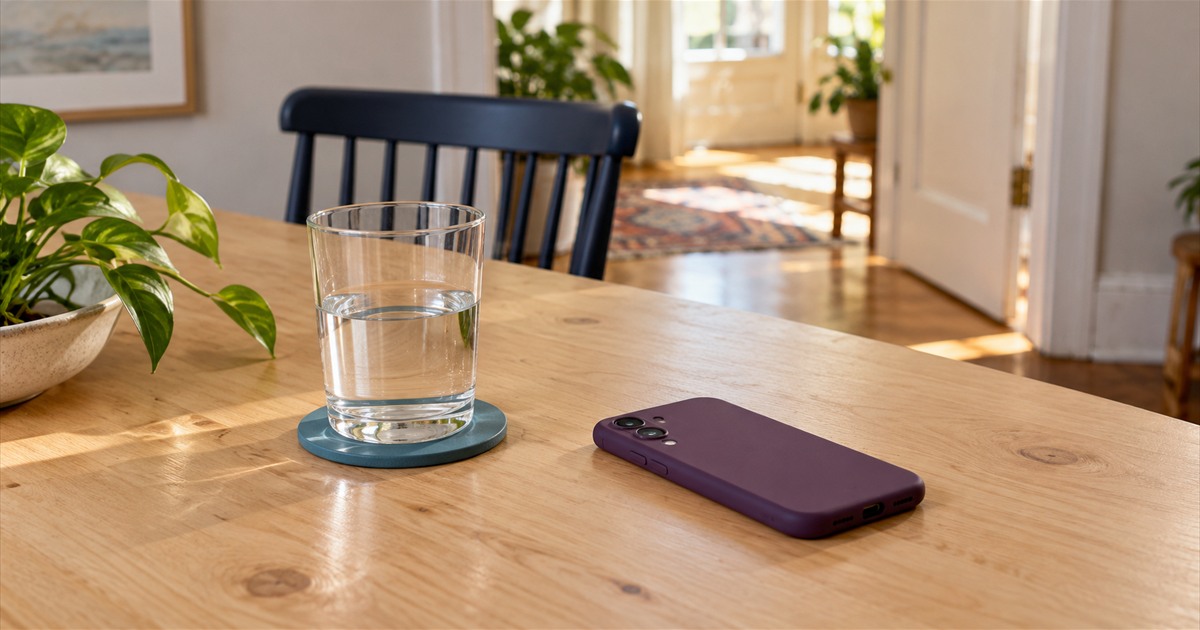
About the cover: AI-generated illustration of a face-down phone and water glass. They illustrate putting down a message and taking a pause, not required products or a promise that anger will disappear. View the full-size cover.
‘Understanding the result of your anger’ sounds profound and all, but let’s be real: sometimes people just need to scream into a pillow! Emotions are messy—it’s okay not to have everything figured out.
This article is absolutely enlightening! It’s refreshing to see discussions around emotional control. Understanding that anger can be a signal rather than a response is so vital for personal growth. Thank you for sharing!
‘Breathe slowly in and out’? Sure, that’s the secret! Next time I’m furious with my neighbor over their barking dog, I’ll just meditate instead of yelling at them.
The concept that anger controls us rather than the other way around is intriguing. In psychology, emotional regulation is crucial. I wonder how many people truly recognize the physical signs of their anger before it escalates.
But isn’t it just easier to vent? Sometimes it feels good to express anger rather than bottle it up. I’m not convinced that monitoring your temper really helps.
Exactly! Awareness of our emotional triggers can lead to significant changes in our interactions with others and ourselves.
‘The fight or flight response’ tied with anger is a fascinating topic! Physiological reactions are often overlooked when discussing emotional intelligence—great points made here about recognizing signs before they escalate.
‘Implementing relaxation techniques’? How practical! Just throw in some yoga and herbal tea while we’re at it; maybe we can hug our way through life’s frustrations too!
Honestly, this just sounds like another self-help cliché. People have been talking about controlling emotions forever, but most just ignore it. It’s easier to blame others than to take responsibility for our reactions.
‘If you find yourself constantly letting anger control you…’ Well, isn’t that just poetic? It’s almost as if we humans are designed to embrace chaos instead of finding tranquility.