

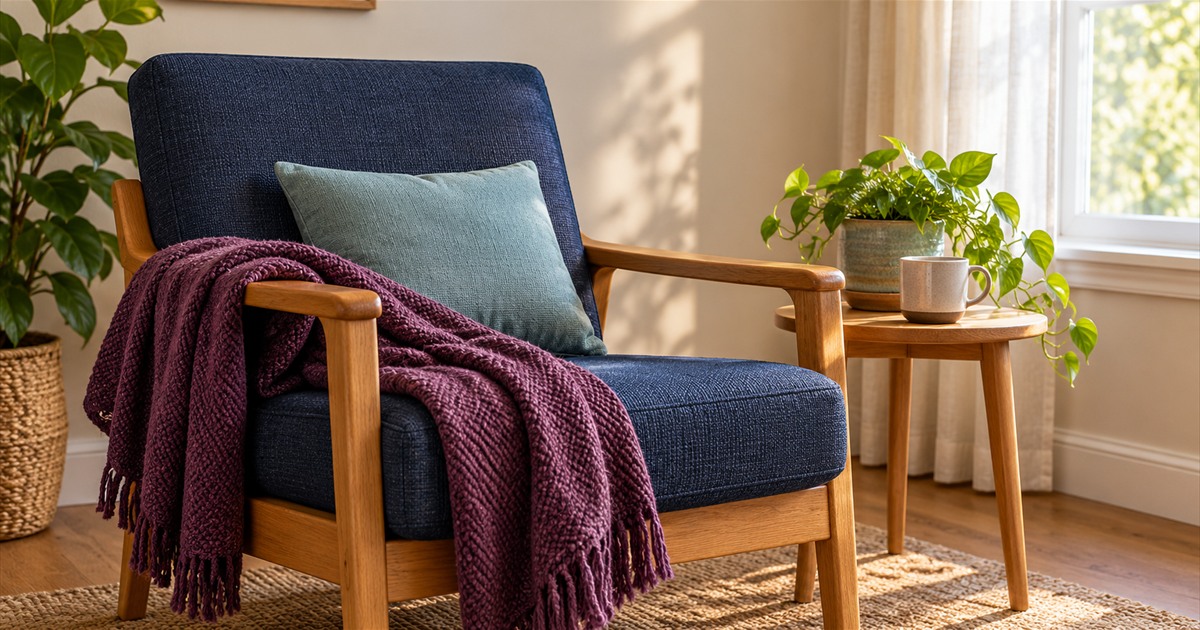
If a meditation instruction feels like another thing to get right, you are allowed to make it smaller. Notice one detail in the room, then decide whether you want to continue.
Grounding meditation, as used here, is a brief practice of paying attention to your present surroundings. You might notice the support of a chair, the colors around you or an ordinary sound. It is an optional way to pause, not a promise that you will feel calm or a treatment for a health condition.
You do not need to clear your mind, exchange energy with a plant or go barefoot to try it. Some people enjoy a nature-based spiritual interpretation; others prefer straightforward sensory attention. Either approach should leave you free to adapt the practice or stop.
What grounding means in this practice
“Grounding” is used in different ways. In this article, it means bringing attention to what is happening around you now, rather than proving an energetic connection with Earth. It is not the same as an electrical “earthing” health claim.
Meditation is also a broad term, not another name for Transcendental Meditation. NCCIH’s meditation overview describes practices involving sensations, sounds, images or mantras, as well as mindfulness of the present moment. Our guide to different types of meditation can help you compare approaches without assuming one suits everyone.
Choose a comfortable, safe setting
Pick somewhere you can pause without needing to drive, supervise a hazard or stay alert to immediate danger. A supported chair indoors is enough. Keep your eyes open if that feels more comfortable, and choose a posture that works for your body. You do not need a dedicated room, special products or complete silence.
If you like being outside, use an accessible place with suitable weather and a safe surface. A view from a window or a familiar object indoors works too. Nature is optional, and a bath is not necessary. Avoid turning an ordinary pause into a set of conditions you must get perfectly right.
Choose a short trial rather than a demanding session. For example, you could try the steps once and then decide whether to continue. Music is a preference; if it distracts or unsettles you, leave it off.
Try a simple sensory grounding exercise
This is a practical attention exercise, not a medical protocol. Skip or adapt any step that is uncomfortable or inaccessible.
- Orient: look around and name where you are. Notice one ordinary detail, such as a door, a picture or a patch of light.
- Notice support: if comfortable, notice the chair beneath you or your hands resting on a surface. You do not have to focus on your body if that increases distress.
- Use an available sense: describe a color, a sound or the texture of a familiar object. There is no required count or set of senses to complete.
- Let breathing stay ordinary: avoid forcing deep breaths or holding your breath. You can leave breathing out of your focus entirely.
- Return to a choice: ask what you need next. That might be a drink, a break, a conversation or returning to a manageable task.
If thoughts wander, you have not failed. You can notice that and return to an ordinary detail, or end the exercise. The aim is not to erase thoughts, become perfectly relaxed or prove a spiritual ability.
A made-up example can be as brief as an observation and a choice:
- An ordinary observation
- Seated in a chair, you notice the blue of a cushion and the grain of a wooden armrest. If paying attention to your body feels uncomfortable, you can leave that out.
- A next choice
- You decide one detail is enough and go to get a drink. You do not need to wait until you feel calm, complete every step or turn the pause into a longer session.
If nature imagery is meaningful to you
You may imagine roots or thank nature as a personal ritual, if it feels useful. Treat imagery of energy flowing between you and a plant as visualization, not an established physical exchange or a cleansing requirement. You can appreciate nature without attributing health outcomes to it.
If you want to explore that distinction further, see our guide to grounding exercises and earthing claims. Sensory attention, spiritual symbolism and medical evidence answer different questions.
Keep benefits modest and know when to stop
You might find a pause helpful, neutral or uncomfortable. NCCIH notes that much meditation research has limitations and that adverse experiences can occur. Results from structured programs do not establish that this short exercise will treat anxiety, pain or sleep problems.
Stop if the practice makes you more distressed, dizzy or disconnected. Look around, change position if safe or speak to a trusted person instead. If inward attention is difficult, you can choose an external activity rather than pushing through. A qualified health professional can help you consider appropriate support when symptoms persist or interfere with daily life.
Do not use meditation to replace medical care or delay getting help. If you choose an instructor, ask about training, experience and how they respond when a participant wants to stop. A useful practice respects your limits and helps you return to ordinary life; it does not require you to ignore those limits.
‘Create a special place’—what if my special place is my couch with snacks? 😂 Honestly though, it’s all about finding what works best for you while meditating!
I absolutely loved this article! Grounding meditation sounds like a wonderful way to reconnect with nature and find peace within ourselves. I can’t wait to try it out in my garden this weekend!
While grounding meditation has its merits, I argue that it is not a one-size-fits-all solution. Some may find more benefit from other forms of therapy or meditation styles that engage the mind differently.
Really? Grounding meditation? It sounds like another trend for people trying to escape reality. If you ask me, it’s just a fancy way of avoiding your problems instead of facing them head-on.
‘Picture your energy flowing…’ Seriously? Is this an article or an excerpt from a fantasy novel? I’m just waiting for someone to suggest hugging trees next!
‘Get in touch with nature,’ they say! Next thing you know, people will be meditating on their roofs because they can’t find a decent park. Just go outside already—don’t complicate things!
The concept of grounding meditation is fascinating. It utilizes elements of mindfulness and sensory awareness, which are proven methods for stress reduction. I suggest reading further into the scientific research behind these practices.
“Picture your energy flowing from you into the element.” Is that like channeling my inner tree hugger? Sounds a little strange but hey, whatever floats your boat—just don’t forget the sunscreen!
*grabs coffee* Wait, I’m supposed to avoid coffee before meditating? That’s almost as good as saying I shouldn’t breathe before running! Who came up with these rules?
‘Get in touch with nature’—how cliché! We all know that spending time outdoors is good for us, but is grounding meditation really necessary? Seems a bit overhyped to me.
‘Necessary’ might be too strong a word, but I think it provides an alternative way for people to center themselves, especially if they feel disconnected from their surroundings.
Honestly, this sounds like just another fad. How can sitting in silence and breathing deeply actually change anything? It’s hard to take this seriously when there are so many other pressing issues in the world.
*sigh* I tried grounding meditation once and all I could think about was lunch! Maybe it’s just not for me, or maybe I need to find a more engaging activity instead!
“Feel the energy growing within you”—sounds like something you’d hear at a yoga retreat while sipping kale smoothies. Still, it’s nice to see more people exploring ways to connect with nature!
The differences between grounding and traditional meditation are fascinating. Grounding meditation emphasizes physical awareness, which can be incredibly beneficial for mental health. It’s also backed by science, showing its effectiveness in reducing stress.
That’s true, but have you considered how subjective these experiences can be? Some people might not feel any different regardless of the method they choose.
Good point! But it’s essential to recognize that personal experiences vary widely; what works for one might not work for another. Tailoring methods to individuals is crucial.
I absolutely loved this article! Grounding meditation has changed my life. It’s amazing how reconnecting with nature can bring such peace. I highly recommend everyone gives it a try!