

The “energy you show the world” can be a useful way to describe how you feel and how you interact with people. You might be tired, hopeful, distracted or in need of company. None of these states makes you a good or bad person, and difficulty making friends does not prove that you have a damaged aura.
Some spiritual traditions use aura or vibration language. Here, those words are optional metaphors for reflection, not a diagnosis or an explanation for another person’s choices. The National Center for Complementary and Integrative Health notes that the energy field proposed in Reiki is not supported by scientific evidence. A personal spiritual practice should not replace mental health care or practical action.
You cannot make everyone like you. You can, however, notice your needs, choose respectful habits and look for relationships where you can be yourself. These three ideas offer a starting point.
1. Make space for a gentle reset
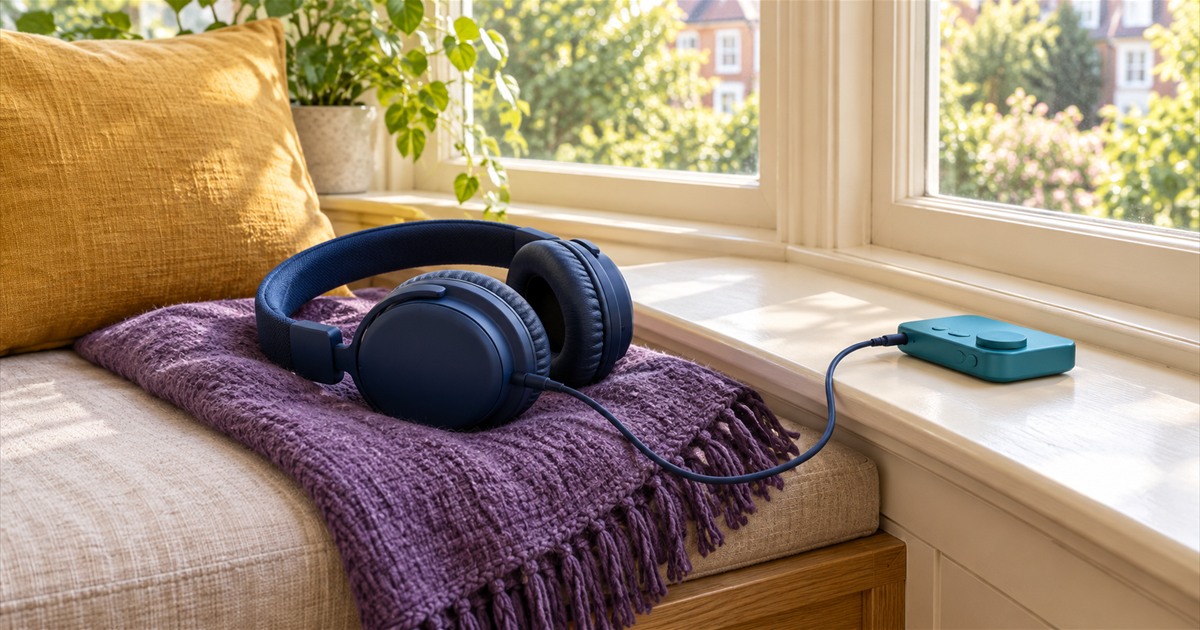
If “cleansing your aura” has personal meaning for you, treat it as a quiet pause rather than a task to remove something wrong with you. Find a comfortable place, silence unnecessary notifications if you can, and choose a simple, smoke-free activity: listening to music, looking out a window or writing a few lines.
You do not need candles, incense, special products or a perfectly quiet home. If sitting still is uncomfortable, try a small movement or another activity suited to your circumstances. The point is to make room for attention, not to perform a ritual correctly.
Ask yourself:
- What happened, and what am I assuming about it?
- What do I need right now: rest, information, help or a conversation?
- Is there one manageable action I can take?
For example, “My friend has not replied, so nobody wants me around” combines an observable event with a conclusion you cannot yet know. You could leave room for other explanations and send one ordinary follow-up later, without repeatedly checking or demanding reassurance. If someone has declined contact, respect that boundary.
Not every worry is a mistaken thought. A real problem may need practical support, and an unsafe situation needs attention to safety. You also do not have to trace every feeling to one hidden fear. If anxiety is hard to cope with or self-help is not helping, the NHS advises seeking medical support. Anxiety is not a spiritual failure.
2. Choose supportive company, not compulsory positivity
Supportive people do not have to be cheerful all the time. They may be grieving, frustrated or worried and still treat you kindly. Rather than sorting people into “positive” and “negative” energy, notice behavior: do they listen, respect a no, protect private information and make room for your interests?
You are allowed to need support, and other people are allowed to have limits. Try asking, “Do you have space to listen for a few minutes?” You can also say, “I care about this, but I cannot talk about it tonight.” These requests are more useful than assuming that someone is draining or contaminating you.
When you want to strengthen a friendship, make a specific, low-pressure invitation. Suggest a short call or an accessible activity, give the other person room to decline, and show interest in their answer. Listen without immediately fixing their problem or turning the conversation back to yourself.
Relationships involve more than your mood: timing, compatibility, availability and the other person’s choices matter too. You do not need to fake a smile or hide every difficult feeling to deserve company. For more everyday ideas, see our guide to building genuine connection without trying to control attraction.
3. Try an experience that fits your values and circumstances
A meaningful experience does not have to be an expensive trip or a dramatic reinvention. Think about what you miss: creativity, learning, nature, community or play. Then choose a small, realistic way to explore it.
You might borrow a book, try a free creative activity, attend a welcoming community gathering or arrange time with someone you trust. Spiritual communities are one option, not a requirement. Before joining, check costs, accessibility and expectations; you should be free to ask questions and leave without pressure.
Make the first step modest: “I will try one session and decide afterward whether I want to return.” Notice whether the experience was interesting, manageable or simply not for you. An activity can be worthwhile without instantly changing your mood or attracting new friends. Our gentle spirituality check-in offers further prompts for meaning and connection.
Let your next step be kind and specific
Choose one thing: a short reset, an honest request for support or a manageable new experience. Review how it went without scoring yourself as high- or low-vibration. The aim is not to project perfect energy. It is to care for yourself and treat others with respect, while leaving room for ordinary human feelings.
*sigh* All this talk about spirituality makes me roll my eyes. Wouldn’t it be easier if people just learned some basic social skills instead of trying to cleanse their vibes?
‘Basic social skills’? You mean those things they taught us in kindergarten? Yeah, let’s just throw away years of psychological study because it’s too simple.
‘Cleansing’ might sound weird, but being aware of how we affect others isn’t rocket science either. It’s about balance—something we all need!
‘Surround Yourself With Positivity’—sure! Let me just grab my bubble wrap and float away from all negativity! That’ll solve everything, right? 😂
This post has some solid advice for anyone struggling with friendships or relationships. Understanding our own energy can truly transform how we interact with others.
Sure, but isn’t it also important to address deeper issues rather than just changing your vibe? Just saying this feels like a surface-level fix.
This post opens up an interesting discussion on energy dynamics in relationships. The idea that we can project both positive and negative vibes is worth exploring further in psychology!
This article is a breath of fresh air! It’s so important to focus on our personal energy and how it affects our relationships. I’m definitely going to cleanse my aura and surround myself with positivity. Thanks for the tips!
I love this perspective on personal energy! I’m inspired to create my own little sanctuary at home now—maybe even throw in some incense for good measure!
Really? Cleansing your aura? This sounds like a bunch of mumbo jumbo to me. If I could just wish away my problems with candles and sage, don’t you think I would have done that by now?
I get where you’re coming from, but there’s some truth in what they say about energy. Maybe if you approached it with an open mind, you’d see the benefits.
Exactly! It feels like they’re just selling a fantasy here. Life is complicated, not solved by lighting sage and hoping for the best.
‘Cleanse Your Aura’? Sounds like something straight out of a fantasy novel! Can someone pass me the magic wand? Because that’s the only way I see this working.